


CSTR Continuous Stirred Tank Reactor
Continuous stirred tank reactors (CSTRs) are of high interest for industrial biogas plants e.g. being part of a waste water treatment plant (WWTP).
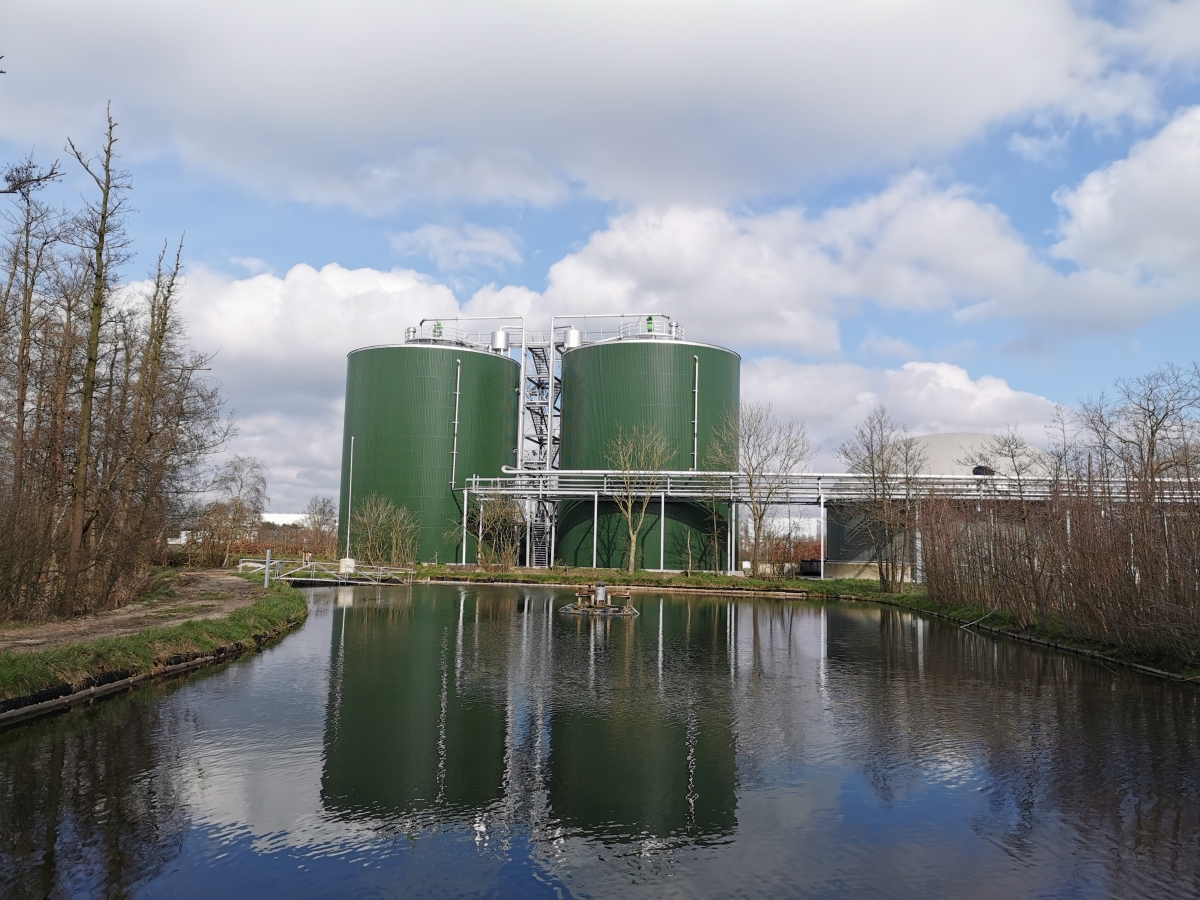
CSTRs digester for production waste
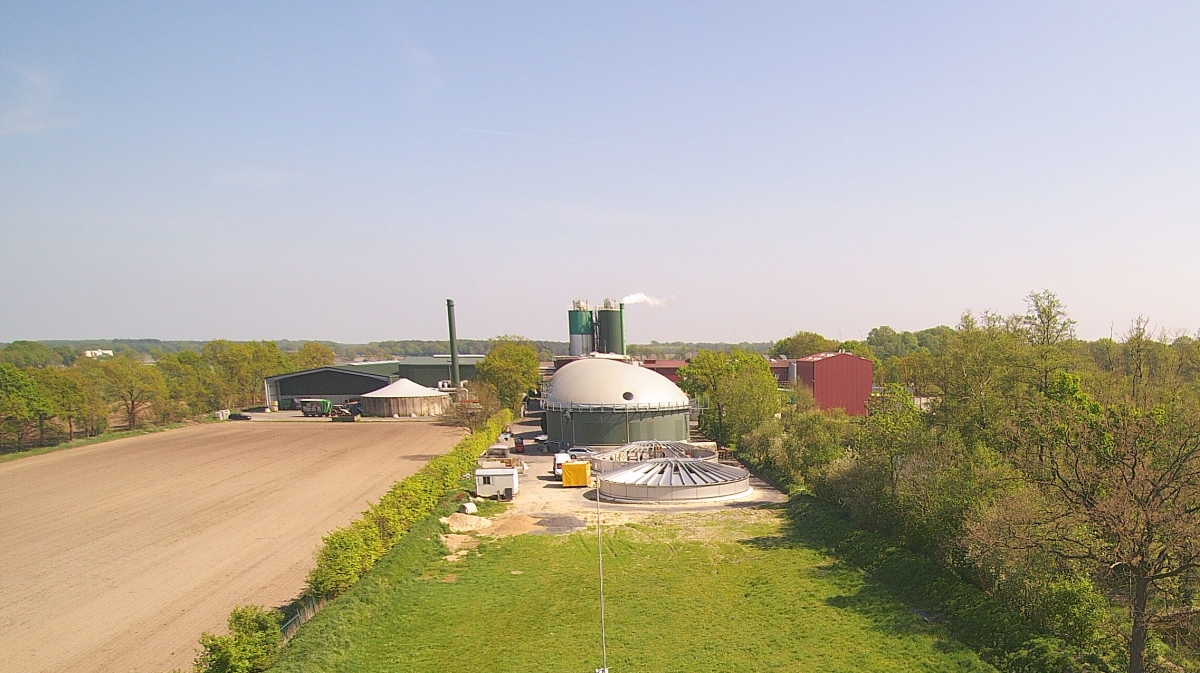
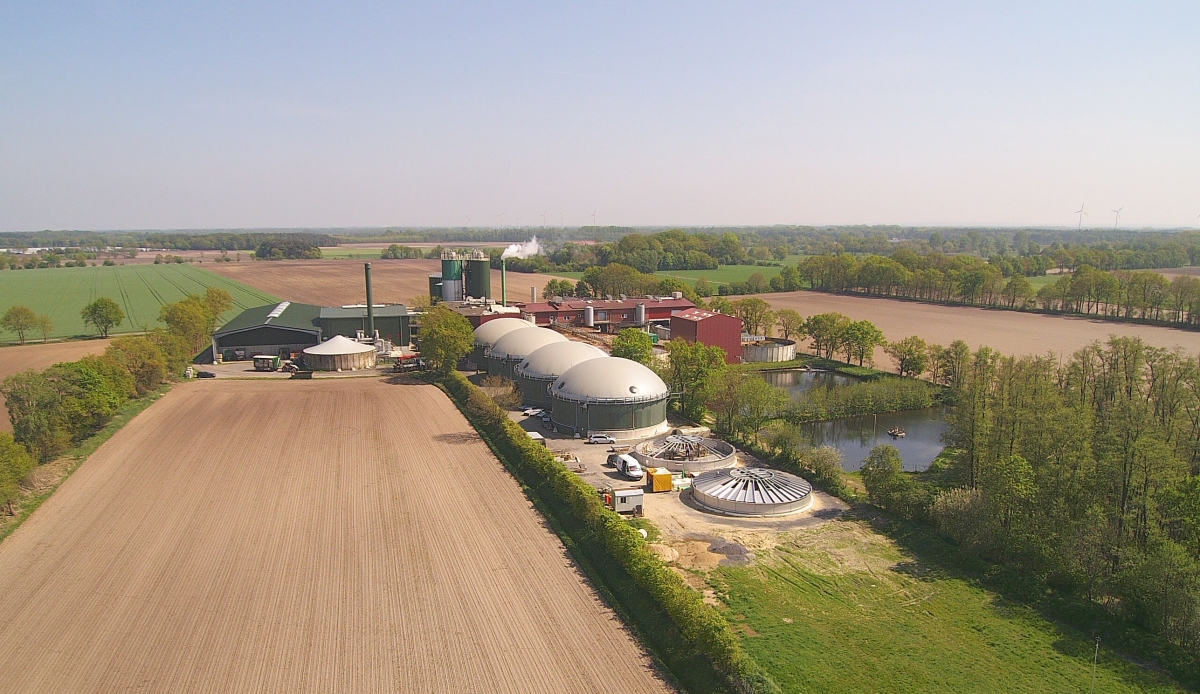
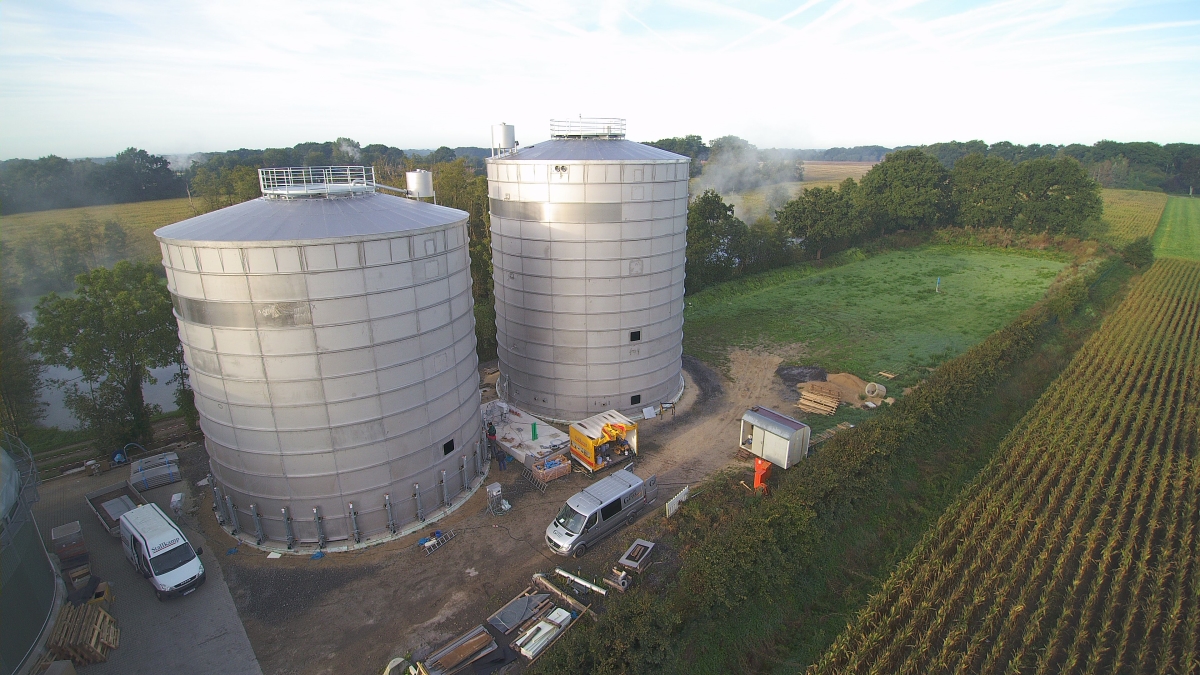
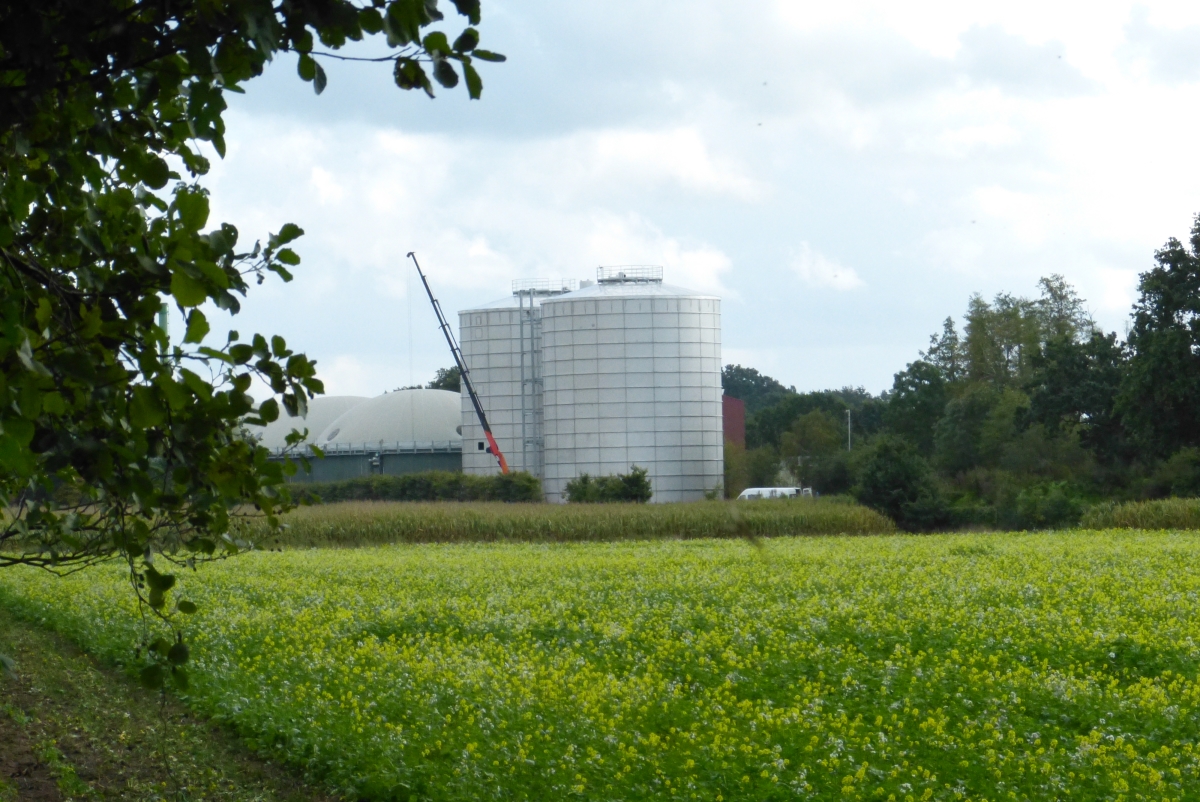
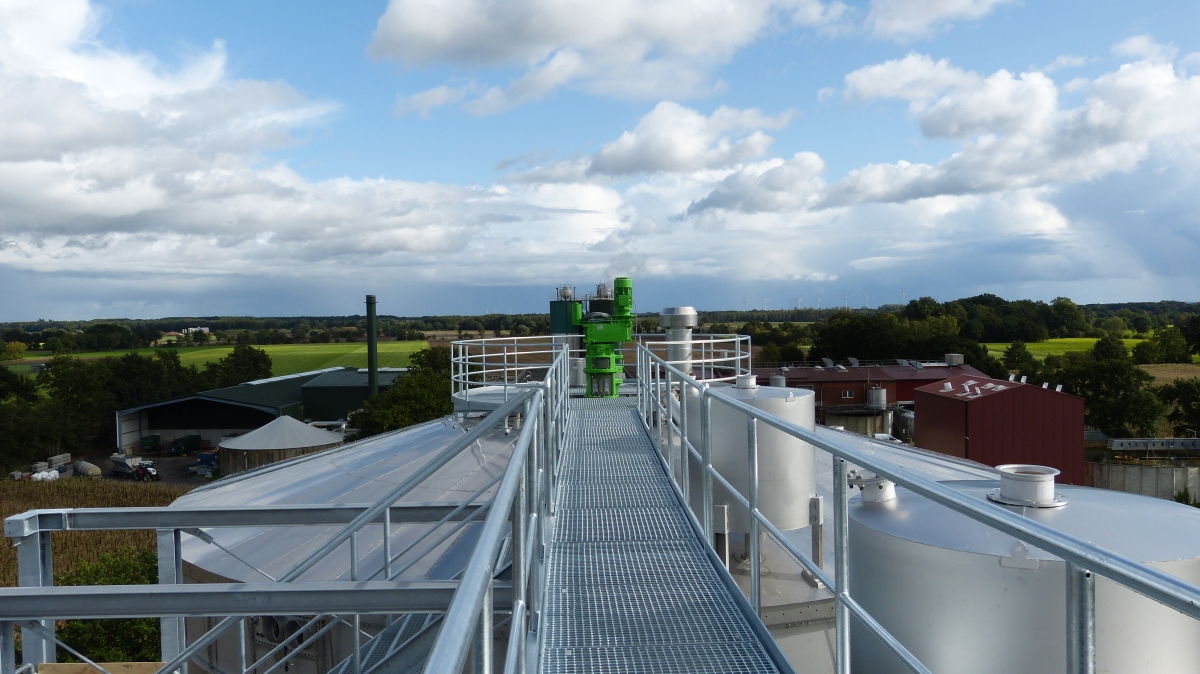
This reference shows two continuous stirred tank reactors made of stainless steel. They are integrated to a company-owned waste and sewage treatment plant of food producer in Germany. With the new digesters they can make the most of their energetic production residues. On the one hand, they can cut energy costs and on the other hand they can improve their ecological footprint. In this context, two CSTRs became necessary and the decision was made to stainless steel digesters by Stallkamp.
Fermentation CSTRs
The production residues undergo a long process: first of all the sludge is sieved before it comes into the digester. The continuous stirred tank reactors offer the advantage of optimal and steady homogenising of the biomass. The biomass is decomposed and converted into energy. The gas yield is among others dependent on the mixing and homogenisation of the biomass. After digestion the digestate is separated into solids and liquids. The solids are dried, pelletised and further processed as fertiliser, whereas, the liquids undergo a further clarification process until it is dischargeable water.
How to build continuous stirred tank reactors?
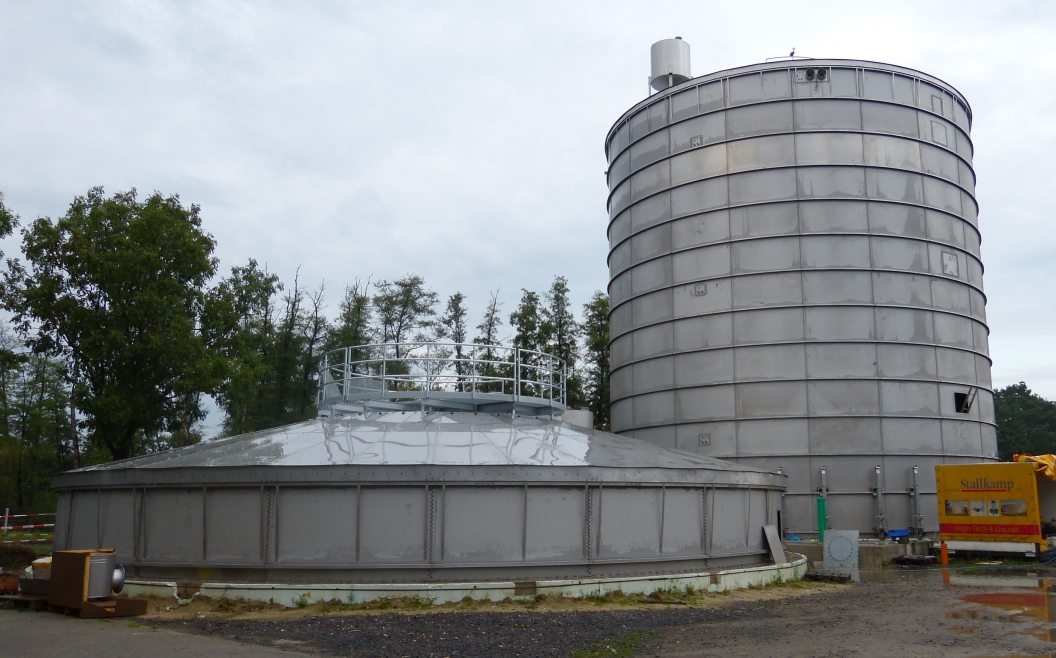
It is a segment-like desgin that is used to construct the tank of this size. Each of them has a diameter of 15m and a height of almost 20m. This leads to a digestion volume of 3,300m³. Single shell plates (3 to 6mm) are rolled to the desired diameter which are then screwed and sealed to form a large ring on site. After finishing one ring, the tank is lifted up with electrical lifting supports. For this project new supports were developed because the final weight of more than 40 tons had to be lifted synchronously and as smooth as possible. Then the next tank ring can be constructed. After thirteen repetitions the final height was reached. “We knew from multiple tests that the concept would work. Nevertheless, the calm and even lifting of the structure was a special moment,” reports Erich Stallkamp (managing partner), who followed the construction progress daily.
Stainless steel CSTRs
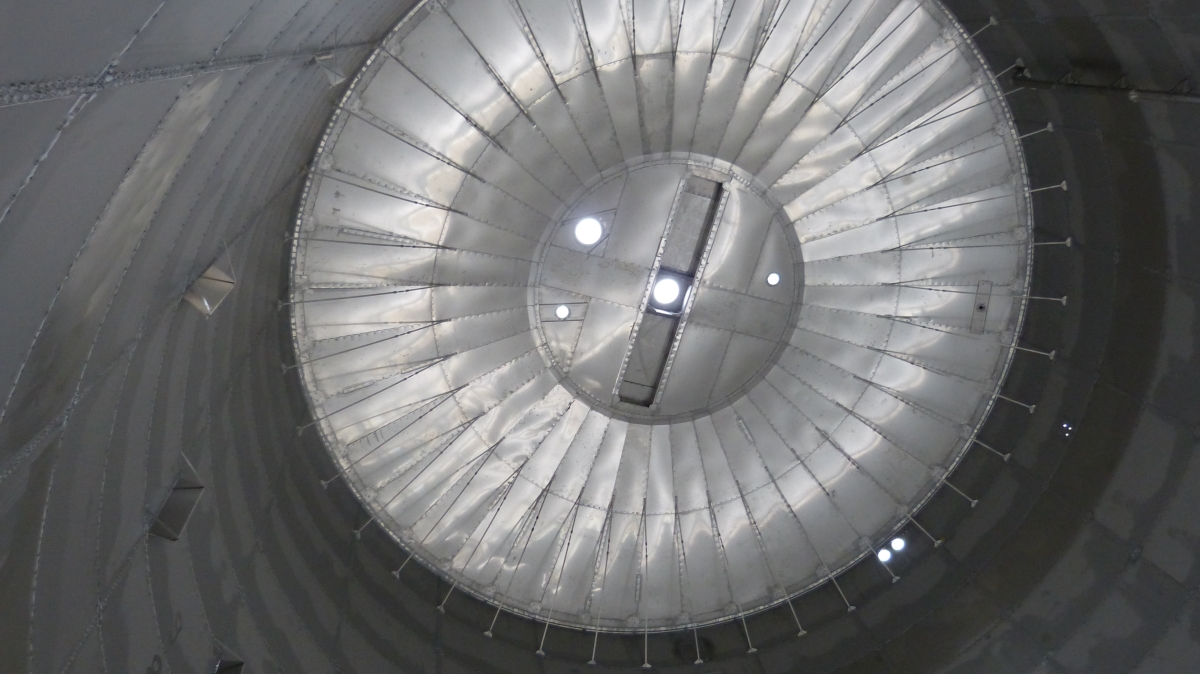
Edelstahl bietet aufgrund seiner Korrosionsbeständigkeit bei anaeroben Gärprozessen einen großen Vorteil, weshalb bei dieser Firma Edelstahlfermenter gebaut wurden – und das in seiner hochwertigsten Form. Der Edelstahlboden (4mm) sowie alle Seitenteile sind aus Duplex-Blechen gefertigt. Das hochwertige Material ist besonders korrosionsbeständig und auch besonders streckfest, weshalb es bei diesem Projekt zum Einsatz kam. Auch das bereits angesprochene Dach wurde für die beiden baugleichen Hochfermenter aus Edelstahl gefertigt. Es wurden Sparren auf einem inneren und äußeren Ring befestigt, die das Grundgerüst bilden. Mantelbleche werden von innen und außen an den Sparren befestigt und schließen das Dach. Lediglich in der Mitte des Daches gibt es eine Öffnung, durch die das Zentralrührwerk verläuft. Das Rührwerk mischt und homogenisiert den gesamten Fermenter Inhalt stetig und sorgt für optimale Gasausbeute.
Technical Data
- Diameter: 15,36 m
- Height: 18,21 m
- Volume: 3.372,28 m³
Location
- Northern Germany
Quotation requested?
Our sales specialists at the trade fair are happy to get in touch with you to find your solution.
You are welcome to use this contact form – we will forward your request to the right contact person.